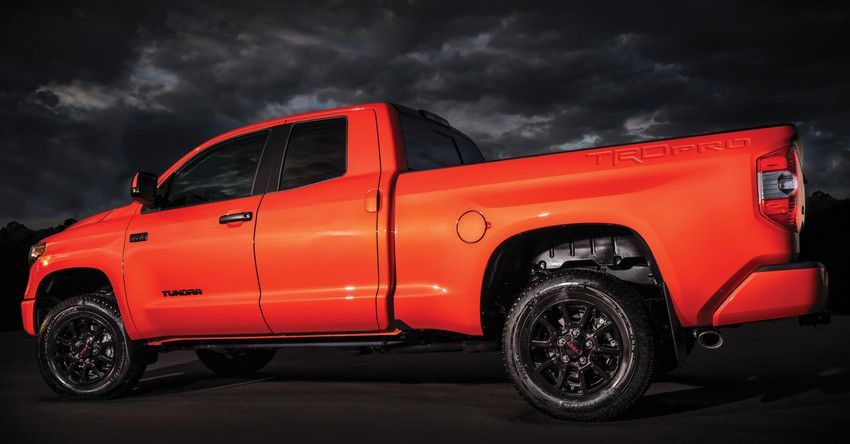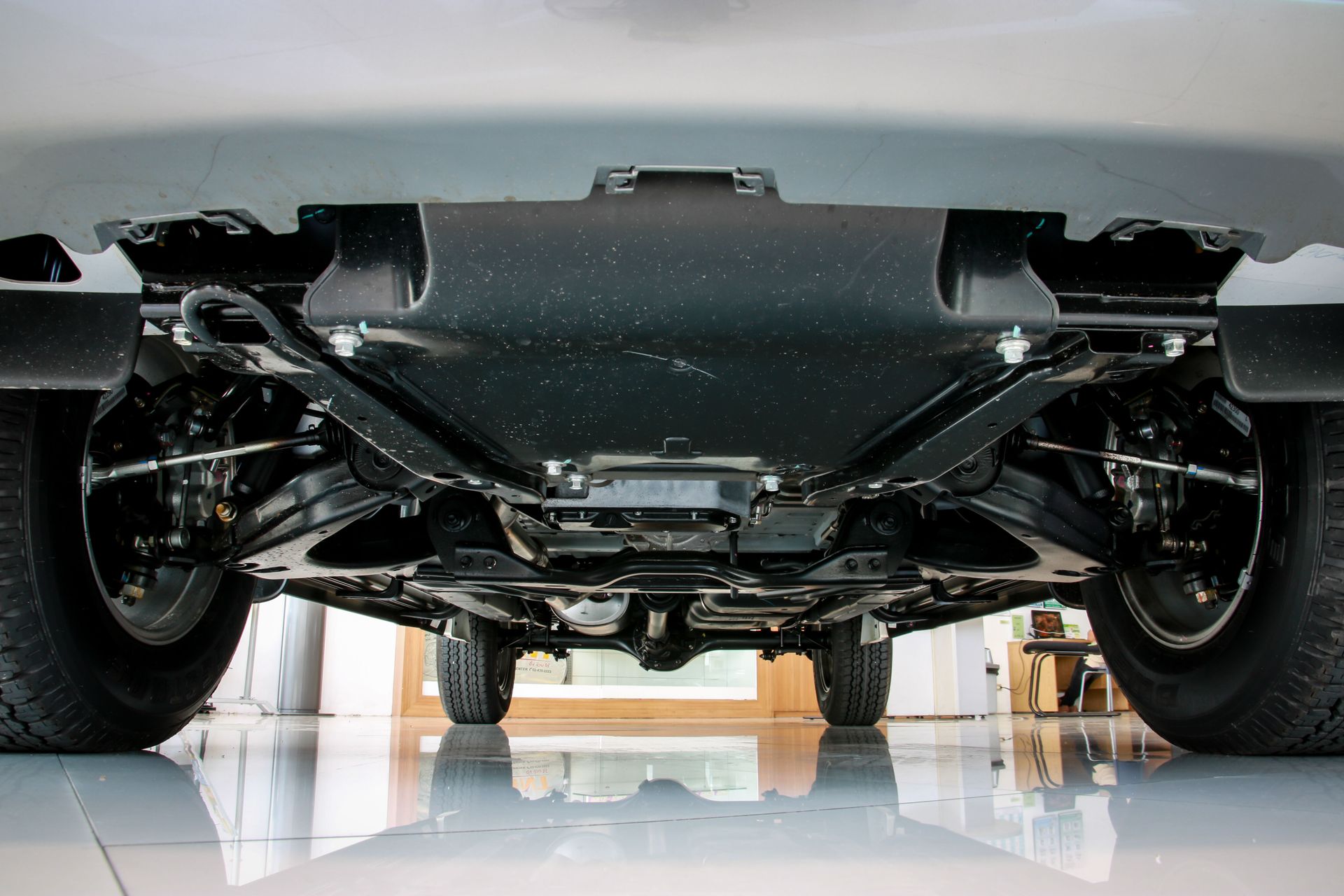
Off-roading places different demands on a 4WD than ordinary highway or city driving. Rocky paths, deep ruts, uneven trails, and steep transitions can challenge a vehicle's clearance, suspension, and traction. Ground clearance is especially important because obstacles can come into contact with components underneath the vehicle when there is not enough space between the chassis and terrain.
Raising a vehicle's suspension can create additional clearance while also changing how it approaches obstacles. The right configuration can provide more room beneath the vehicle and accommodate tires designed for off-road conditions. These changes can make a 4WD more capable on challenging terrain while still allowing it to serve as a practical vehicle for everyday driving.
Increasing Clearance Over Uneven Terrain
One of the most noticeable benefits of lift kits is increased space between the vehicle's underside and the ground. Factory ride height is designed for a broad range of driving conditions, but it may not provide enough clearance for particularly rocky or deeply rutted trails. Raising the suspension can provide additional room over obstacles that might otherwise scrape or strike components beneath the vehicle.
More clearance does not make every trail passable, and it does not eliminate the need for careful driving. Selecting the appropriate setup requires considering the vehicle, suspension design, drivetrain components, tire dimensions, and intended use. The amount of additional clearance can vary depending on the configuration, making it important to match the setup to the terrain a driver expects to encounter.
Improving Approach and Departure Angles
Off-road obstacles rarely appear on perfectly level ground. A steep incline, ditch, berm, or rocky transition can place the front or rear of a vehicle close to the terrain. Increasing ride height can improve approach and departure angles, allowing the front and rear sections to clear certain obstacles with less risk of contact.
These angles matter because clearance is not limited to the space directly beneath the center of the vehicle. A 4WD may have adequate central ground clearance but still encounter trouble when climbing onto or descending from an obstacle. Changing the vehicle's overall geometry can create a more practical path over uneven terrain.
Creating Space for Larger Tires
Tire selection plays an important role in off-road performance. Larger tires can increase the distance between the ground and the vehicle's lower components while providing a larger contact area. Depending on the tire and terrain, they may also contribute to traction and obstacle-clearing ability.
Lift kits can create additional wheel-well space for certain larger tire combinations. Different configurations can produce different ride characteristics, so compatibility should guide selection. Extra room can help reduce the likelihood of tire contact with the body or suspension components during articulation.
However, larger tires can also affect gearing, braking, steering, and handling characteristics. Choosing compatible components is therefore important for maintaining a balanced setup rather than focusing on tire size alone.
Understanding the Role of Suspension Upgrades
According to Fideri News Network, having a vehicle capable of handling rough terrain is essential for off-roading. Installing 4×4 lift kits is one way to help prepare a four-wheel-drive (4WD) vehicle for the demands of challenging terrain. This highlights an important consideration for off-road enthusiasts: vehicle preparation involves more than appearance.
A suspension upgrade can influence the amount of space available beneath the vehicle, the way it moves over obstacles, and the types of tires it can accommodate. These changes can be particularly useful for drivers who regularly encounter uneven terrain.
At the same time, suspension modifications should be selected according to the vehicle's intended purpose. A configuration designed for occasional trail use may differ from one intended for frequent rock crawling or other demanding conditions. Considering how and where the vehicle will be driven helps ensure that modifications provide practical benefits.
Supporting Suspension Articulation
Off-road terrain often requires each wheel to respond differently to changes in the ground. When one wheel rises over an obstacle while another drops into a rut, suspension articulation helps the tires remain connected with the terrain. Maintaining contact can support traction because the drivetrain can transfer power effectively when the tires have sufficient contact with the surface.
A well-matched suspension system can provide the travel and clearance needed for this type of movement. The result can be a vehicle that handles uneven terrain with less reliance on abrupt driver inputs. Well-matched lift kits can support clearance goals without unnecessary changes.
Suspension performance depends on the complete configuration, including springs, shocks, control components, tires, and the vehicle's intended use. Considering these components together can help create a more predictable setup.
Handling Trail Conditions With Greater Confidence
Off-roading can involve rapidly changing surfaces, from loose gravel and sand to mud, rocks, and packed dirt. Each condition presents different demands. A vehicle configured with appropriate ground clearance and suspension components may be better prepared to accommodate these changes while reducing the likelihood of underbody contact.
Lift kits do not replace four-wheel-drive systems, traction management, suitable tires, or responsible trail practices. Instead, they can be one part of a broader approach to preparing a vehicle for off-road use. Drivers should consider the terrain they regularly encounter, how much time they spend on pavement, and how they want the vehicle to behave before selecting a suspension configuration.
Maintaining On-Road Driving Characteristics
A 4WD used for off-roading often still serves as a daily vehicle. That makes road manners an important part of any suspension decision. Increasing ride height changes suspension geometry and can influence steering feel, ride quality, braking behavior, and overall handling. The goal is not simply to make a vehicle taller, but to create a setup that works with its intended driving conditions.
Quality components and proper fitment can help preserve predictable handling. Professional installation of lift kits helps ensure components are evaluated together. Alignment and related adjustments may also be necessary after suspension modifications because changing ride height can affect wheel angles.
A professionally planned setup considers the relationship between suspension components, tires, wheels, steering, and other systems rather than treating each modification as an isolated change.
Choosing a Setup for Local Trails
The right suspension configuration depends heavily on where and how a vehicle is driven. Someone who occasionally travels on maintained gravel roads may have different needs from a driver who regularly tackles rocky trails, deep mud, or steep terrain.
Seasonal conditions can also affect trail surfaces. Rain can turn dirt into mud, while dry periods may leave loose dust, exposed rocks, and uneven ruts. Drivers in Oklahoma and surrounding areas may encounter a variety of surfaces throughout the year, making versatility useful for a vehicle that moves between city streets and recreational trails.
A setup designed around actual driving habits can provide practical benefits without adding modifications that serve little purpose.
Balancing Performance With Vehicle Use
Off-road performance is only one consideration when modifying a 4WD. Added height, larger tires, or supporting changes can affect fuel economy, ride comfort, component wear, and the vehicle's center of gravity. These factors do not automatically make a modification unsuitable, but they should be considered alongside the desired off-road benefits.
The best results come from matching the vehicle's configuration to its primary purpose. A weekend trail vehicle may justify different equipment from a 4WD that spends most of its time commuting. Understanding those tradeoffs helps drivers select changes that support both recreational use and everyday transportation.
Preparing for More Capable Off-Road Travel
A thoughtfully configured 4WD can make off-road travel more enjoyable by providing clearance, tire compatibility, and suspension characteristics suited to uneven ground. The objective is not simply greater height. It is creating a balanced vehicle that can manage obstacles while remaining predictable and useful in everyday conditions.
For drivers considering suspension changes, professional guidance can help determine which components are compatible with the vehicle and intended terrain. An experienced installer can also account for factors such as tire dimensions, wheel fitment, alignment, suspension geometry, and the vehicle's existing equipment.
Whether the goal is exploring Oklahoma trails, navigating rural terrain, or preparing a 4WD for more demanding recreational driving, the right configuration can make a meaningful difference. Auto Accessories Unlimited can help drivers evaluate options that fit their vehicles, driving habits, and off-road goals. Contact the team today to discuss a setup designed for confident performance on and off the pavement.