Truck owners often focus on enhancing performance and appearance, but one essential component that should not be overlooked is the bed liner. Bed liners protect the truck bed from damage, extending its lifespan and maintaining its aesthetic value. This article delves into the world of bed liners, exploring their types, benefits, installation, and maintenance. Readers will learn how to select the best bed liner for their needs, address common myths, and discover future trends in the industry. Understanding bed liners can make a significant difference in preserving a truck's value and functionality.
What Are Bed Liners?
Definition and Purpose
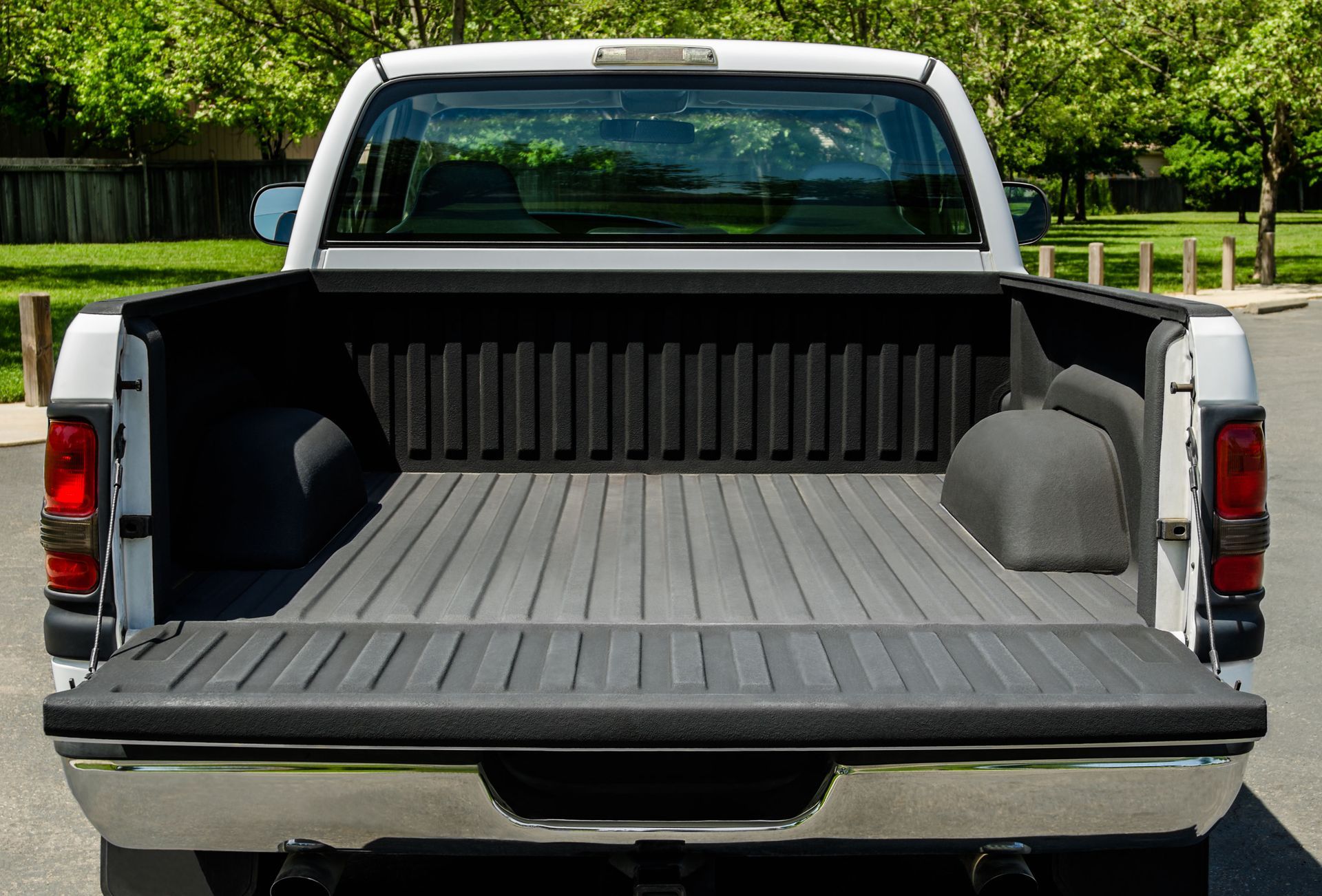
Bed liners are protective coverings designed for the bed of a pickup truck. Their primary purpose is to protect the truck bed from physical damage such as scratches, dents, and chemical spills. They provide an essential barrier against the harsh conditions that cargo and weather can impose. By safeguarding the underlying metal, bed liners help prevent rust, ensuring the truck's durability. For those who frequently use their trucks for hauling, bed liners are a crucial investment that pays off in extended vehicle lifespan and potential resale value.
These protective layers can be tailored to fit different truck models, allowing for custom-fit solutions. In addition to protecting the truck bed, bed liners also enhance its appearance, giving it a sleek, rugged look. Some types of bed liners are designed to reduce noise, absorb impact, and prevent cargo shift. They provide a non-slip surface, ensuring cargo stays in place during transportation. Bed liners' ability to fulfill multiple roles makes them indispensable accessories for truck owners.
Economic and environmental considerations have also fueled the popularity of bed liners. As the U.S. automotive market continues to expand, with sectors like automotive wrap films projected to grow at a CAGR of 18.8% from 2025 to 2030, accessories such as bed liners will become more significant. Increasingly, manufacturers prioritize not only durability but also eco-friendliness and aesthetic appeal. Truck owners now have a wider variety of options, allowing them to select bed liners that meet their specific needs and tastes. This growing market attests to the vital role bed liners play in protecting valuable truck investments.
Types of Bed Liners
There are several types of bed liners, each offering unique benefits and installation requirements. Drop-in bed liners are among the most common, known for their easy installation and cost-effectiveness. These are shaped plastic shells that fit directly into the truck bed, providing immediate protection. Spray-on bed liners, though more permanent, offer superior protection by creating a rugged coat over the bed's surface. Bed mats are another option, catering to those looking for removable solutions, acting as thick rubber carpets that provide coverage and traction.
Drop-in liners are ideal for individuals who frequently change their trucks and need a quick protective solution. These liners are also simple to replace if damaged, making them convenient for short-term use. In contrast, spray-on liners require professional installation, bonding directly to the bed and forming a seamless protective layer. This results in long-term durability and a custom appearance, though at a higher cost. Bed mats present a middle ground, offering a degree of both protection and utility without permanent installation.
Each type of liner comes with its own set of advantages, and the choice often depends on usage patterns and budget. Drop-in liners can be noisy and might trap water underneath, but they are also removable and easy to clean. Spray-on liners are known for their aesthetics and can be textured for better cargo grip, though they require skilled application. Bed mats are cost-effective, protecting the floor of the truck bed while allowing flexibility. Truck owners should weigh these options carefully to determine which type aligns best with their requirements and preferences.
Materials Used in Bed Liners
Bed liners are made from a variety of materials, each offering distinct properties that affect performance and longevity. Polyurethane is a favored material for spray-on liners due to its durability and resistance to chemicals and impacts. It forms a tightly bonded layer that provides excellent protection while preserving the truck bed's aesthetics. Rubber is commonly used in bed mats, prized for its flexibility and natural cushioning, which absorbs shocks and prevents cargo from sliding. Carpet liners, while less common, offer a softer surface, ideal for carrying delicate items.
The choice of material often depends on the specific needs and preferences of the truck owner. Polyurethane's resistance to harsh conditions makes it suitable for heavy-duty use, while rubber mats offer versatility and comfort. Carpet liners, on the other hand, are perfect for those using their trucks for recreational purposes, such as carrying sports equipment. Each material presents trade-offs between protection, comfort, and price. A careful evaluation of these factors ensures the vehicle is equipped with the most suitable bed liner material.
As technology advances, materials continue to improve, offering enhanced performance and sustainability. Some manufacturers now focus on developing eco-friendly options, using recycled materials in creating bed liners to reduce environmental impact. The combination of traditional materials with modern innovations, such as anti-skid surfaces or UV resistance, further broadens the selection. These advancements also pave the way for customizable solutions that cater to the unique demands of individual truck owners. With ongoing research and development helping to refine material properties, the bed liner industry continually adapts to meet emerging consumer demands.
How Bed Liners Are Manufactured
The manufacturing process for bed liners varies significantly by type, each requiring specific equipment and expertise. Drop-in liners are typically formed by molding high-density polyethylene into the shape of the truck bed. These panels are designed to fit snugly, using processes like vacuum forming to achieve precision and durability. Spray-on liners, conversely, involve applying a coating directly to the truck bed. The process includes meticulous surface preparation, followed by spraying a blend of polyurethane to create a seamless finish.
Drop-in liners are produced in factories using automated machinery that ensures consistent quality and fast production rates. The technology involved in manufacturing ensures that each liner meets industry standards and can endure the demands of heavy use. Spray-on liners, however, require specialized workshops where trained technicians apply the material using high-pressure systems. This method requires skills to achieve uniform coverage and thickness, significantly impacting the liner's performance and longevity. Proper installation and curing are crucial for ensuring the liner's success.
History of Bed Liners
Bed liners have a rich history rooted in the increasing demands of truck users for durable vehicle protection. Initially, trucks were primarily utilized for agricultural and industrial tasks, prompting a need for simple floor coverings to protect against dirt and damage. Over the years, as trucks became more affordable and versatile, the demand for enhanced protection grew. This spurred innovation, shifting from basic coverings to more sophisticated solutions like the drop-in and spray-on liners available today. Each advance reflected the evolving needs and technological capabilities of the time.
The concept of the bed liner as a comprehensive vehicle accessory gained traction in the latter part of the 20th century. The introduction of heavy-duty materials and manufacturing processes allowed for more durable and efficient solutions, catering to both casual truck users and those in demanding trades. As the automotive market evolved, and the design of trucks became more sophisticated, the role of bed liners expanded beyond basic protection to include aesthetic enhancements and additional functionalities. The integration of new materials and technologies continued to drive product development and innovation. According to Grand View Research, the U.S. automotive wrap films market is expected to grow at a CAGR of 18.8% from 2025 to 2030. Be sure to reach out to Auto Accessories Unlimited today to learn more about our professional bed liners!