Trucks are far more than mere utilitarian tools designed to transport cargo from point A to point B; for millions of drivers, they represent a versatile extension of their personal lifestyles, passions, and daily routines. Whether you rely on your pickup truck for heavy-duty hauling at a busy construction site, navigating rugged and remote wilderness trails on the weekend, or simply maneuvering through daily urban commutes, the desire to customize your vehicle to better suit your needs is an incredibly common urge among owners.
This widespread drive to modify and personalize our vehicles becomes entirely understandable when we examine just how central automotive travel is to the rhythm of modern existence. According to a comprehensive consumer study published by Grand View Research, modern individuals spend approximately 70% of their waking hours outside their homes, with around 18 hours per week spent specifically inside their vehicles. Given that such a massive portion of our weekly lives unfolds behind the steering wheel, it stands to reason that truck owners want their vehicles to reflect their unique personalities, deliver maximum comfort, and offer top-tier structural utility.
For a vast number of truck enthusiasts, the absolute first step in this highly rewarding customization journey involves looking into the installation of aftermarket lift kits. Elevating a truck fundamentally alters its visual presence, mechanical capability, and overall driving dynamics, making it one of the most profoundly transformative upgrades a vehicle owner can possibly undertake. However, before jumping headfirst into purchasing aftermarket suspension components, it is absolutely essential to comprehend the mechanical, financial, and practical realities of altering your truck's factory suspension geometry.
Understanding the Fundamental Types of Suspension Systems
When first diving into the expansive world of truck modifications, the very first realization you will encounter is that not all suspension upgrades are engineered equally. Broadly speaking, the aftermarket industry divides vehicle elevation systems into two primary categories: body lifts and full suspension modifications. A body lift relies on a series of durable spacers to raise the truck bed and passenger cab higher above the factory frame rails without altering any of the underlying suspension components themselves.
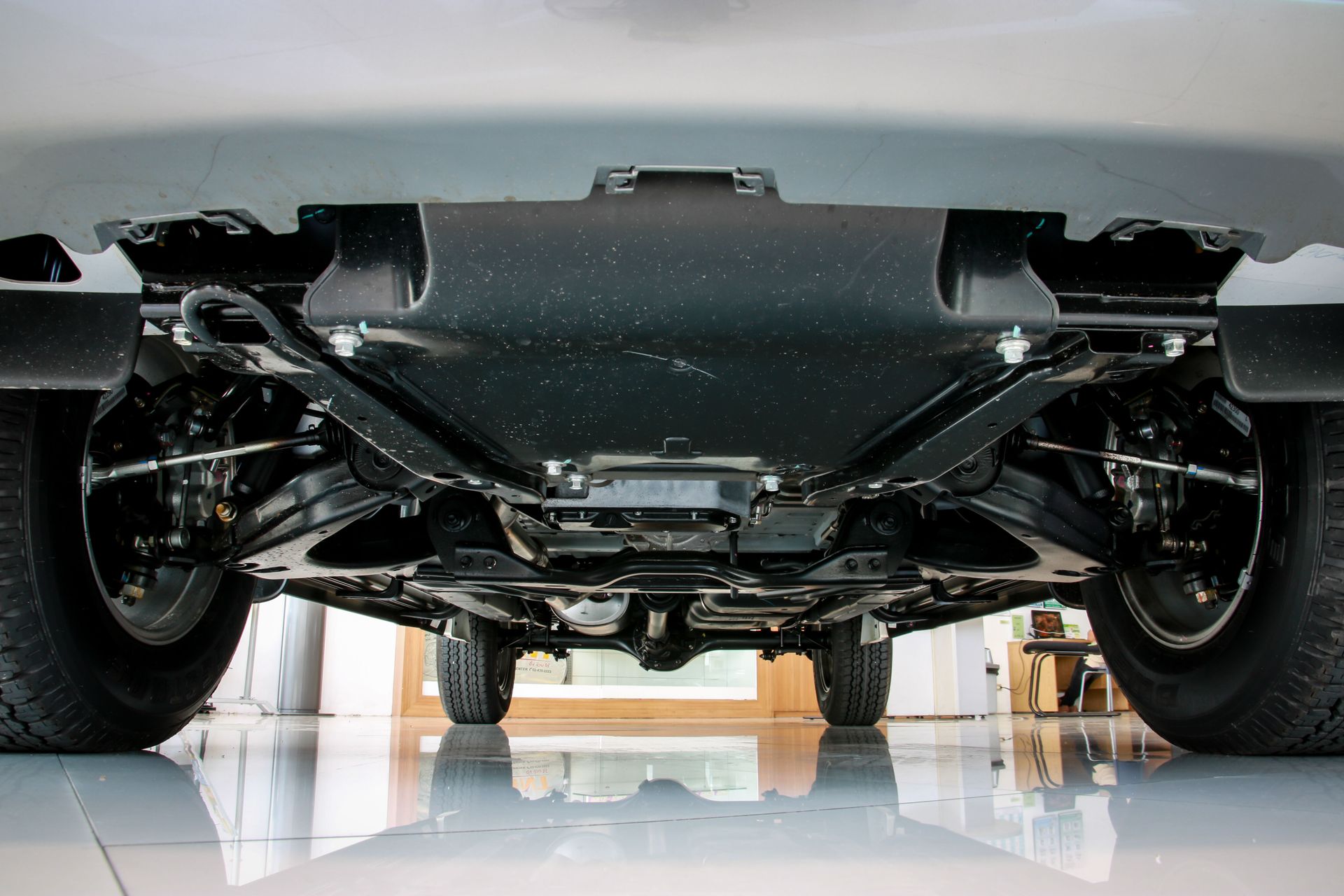
While this specific approach is highly cost-effective and successfully creates additional clearance for larger tires, it does absolutely nothing to increase the actual ground clearance underneath the truck's frame or axle differentials. If your ultimate goal is true off-road capability, enhanced wheel articulation, and improved trail performance, you must look past simple body spacers and invest in actual suspension lift kits. These comprehensive engineering packages completely replace your factory springs, shock absorbers, control arms, and sometimes even the steering knuckles to physically push the entire chassis further away from the ground.
Within this suspension category, options range from basic spacer blocks that sit directly on top of your factory struts to highly advanced, fully adjustable coilover systems designed to handle high-speed desert racing. Leveling kits represent another distinct alternative, though they specifically target the front-end rake that manufacturers intentionally build into modern trucks to prevent rear-end sagging when hauling heavy loads. A leveling kit merely evens out the height discrepancy between the front and rear of the vehicle, whereas a comprehensive lift elevates the entire truck uniformly, providing a much more commanding stance and significantly increasing the overall room available within your wheel wells.
Evaluating the Practical Benefits of Higher Ground Clearance
The core motivations behind modifying a truck's ride height will inevitably vary from one driver to another, but the practical advantages are undeniable when the modification is executed with precision and high-quality parts. First and foremost among these benefits is the dramatic, immediate increase in off-road capability. By raising the frame of the vehicle, you inherently improve your truck's approach, departure, and breakover angles, which means you can effortlessly clear steep inclines, deep ruts, and large boulders without scraping your bumpers or high-centering the vehicle on an obstacle.
Furthermore, installing lift kits allows truck owners to mount significantly larger tires, which provides extra traction in mud or sand, adds true axle clearance, and cushions the ride over rugged terrain. Beyond these purely mechanical perks, there is also an undeniable aesthetic appeal that draws many owners to this modification. A lifted truck possesses a rugged, aggressive visual profile that instantly commands attention on the highway and in the parking lot alike.
This added height also offers a distinct, functional safety benefit that many drivers overlook: an elevated driving position provides a much clearer, more far-reaching view of the surrounding traffic, allowing you to spot potential road hazards, sudden accidents, or construction zones long before they become immediate dangers. For individuals who frequently travel through flood-prone geographic areas or face deep winter snowstorms, the added chassis height offers immense peace of mind, ensuring that the vehicle's vital engine components, exhaust systems, and electrical modules remain well above water, mud, and heavy slush.
Weighing the Potential Drawbacks on Vehicle Performance
While the numerous benefits of an elevated truck are highly appealing, a responsible and forward-thinking owner must also carefully consider the engineering compromises that come with altering factory-spec automotive design. Changing a vehicle's original geometry inherently modifies its handling characteristics on everyday roads. The most immediate difference you will notice behind the wheel is a noticeably higher center of gravity, which naturally introduces more body roll during tight cornering maneuvers and can make the vehicle feel less stable at high interstate speeds or during gusty wind conditions.
Additionally, your overall fuel economy will almost certainly take a noticeable hit after the upgrade. Raising the truck disrupts its aerodynamic profile, creating substantially more wind resistance beneath the chassis, and the larger, heavier tires typically paired with upgraded suspensions require significantly more energy from the engine to rotate. This added weight and altered drive angle also place increased mechanical stress on critical drivetrain components, meaning that trucks with aftermarket lift kits require more frequent inspections of universal joints and wheel bearings to prevent premature component failure.
Braking distances will also lengthen due to the added rotational mass of larger wheel and tire packages, requiring you to adapt your driving habits, maintain greater following distances, and potentially invest in upgraded brake pads and rotors to ensure your stopping power remains adequate under all conditions.
Selecting the Ideal Components for Your Specific Needs
Navigating the seemingly endless sea of aftermarket brands and configurations requires an honest, realistic assessment of your daily driving habits, performance goals, and financial constraints. If your vehicle functions primarily as a daily commuter with occasional weekend camping trips, a mild two-to-three-inch suspension system or a high-quality leveling setup is often the smartest choice, as it preserves a comfortable factory ride quality while granting extra tire clearance.
On the other hand, if you are building a dedicated off-road rig intended for rock crawling, deep mudding, or technical trail riding, you will need a comprehensive four-to-six-inch system featuring heavy-duty control arms, drop brackets, and extended reservoir shocks. Budgeting for these modifications involves looking past the initial price tag of the components themselves; you must also factor in the cost of high-quality tires, professional alignment, and steering stabilizers to prevent unwanted front-end vibrations.
Opting for cheap, poorly engineered lift kits might save you money upfront, but it frequently results in a harsh, unforgiving ride, rapid tire wear, and frequent mechanical failures that cost far more in the long run. Investing in reputable brands that offer complete engineering solutions ensures that your steering geometry, alignment parameters, and electronic stability control systems continue to function exactly as the manufacturer intended.
Modifying your truck's suspension is an excellent way to unlock its full mechanical potential, transform its visual presence, and tailor its everyday performance to match your specific lifestyle. Investing in high-end suspension upgrades ensures that your vehicle remains safe, reliable, and incredibly fun to drive for hundreds of thousands of miles to come. If you are ready to take the next step and transform your vehicle into the capable machine you have always envisioned, we are here to help guide you through every stage of the modification process.
At Auto Accessories Unlimited, we pride ourselves on providing top-tier
lift kits and expert advice tailored to your unique driving needs, so contact us today to see how we can elevate your ride.