By Robert
November 19, 2026
Leather seats offer a combination of comfort, style, and durability that appeals to many vehicle owners. For families with children, pet owners, and daily commuters, they can provide a practical interior option that balances appearance with everyday functionality. Understanding the benefits, material options, and long-term considerations can help drivers determine whether leather is the right choice for their vehicles.
Understanding the Benefits of Leather Seats
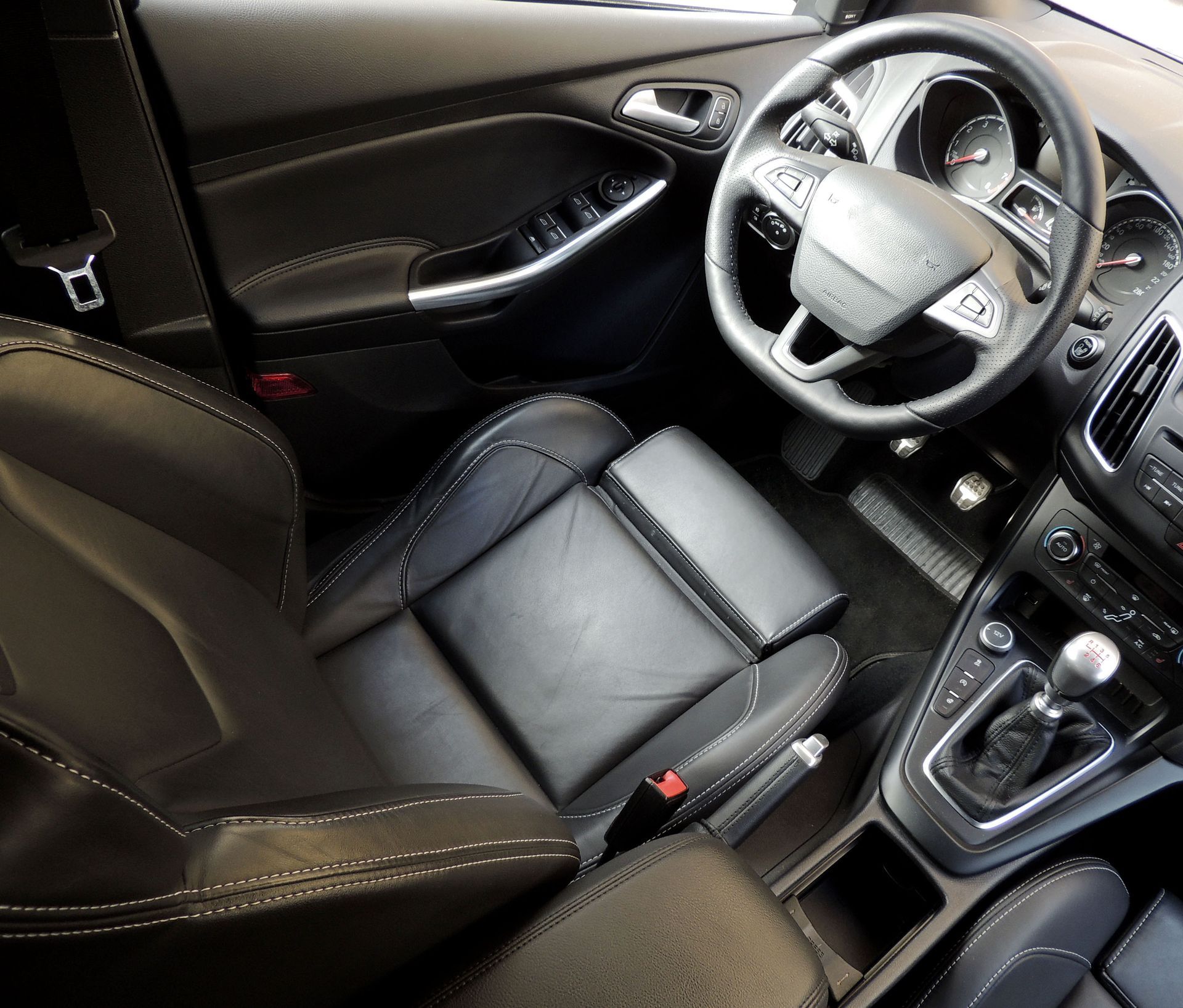
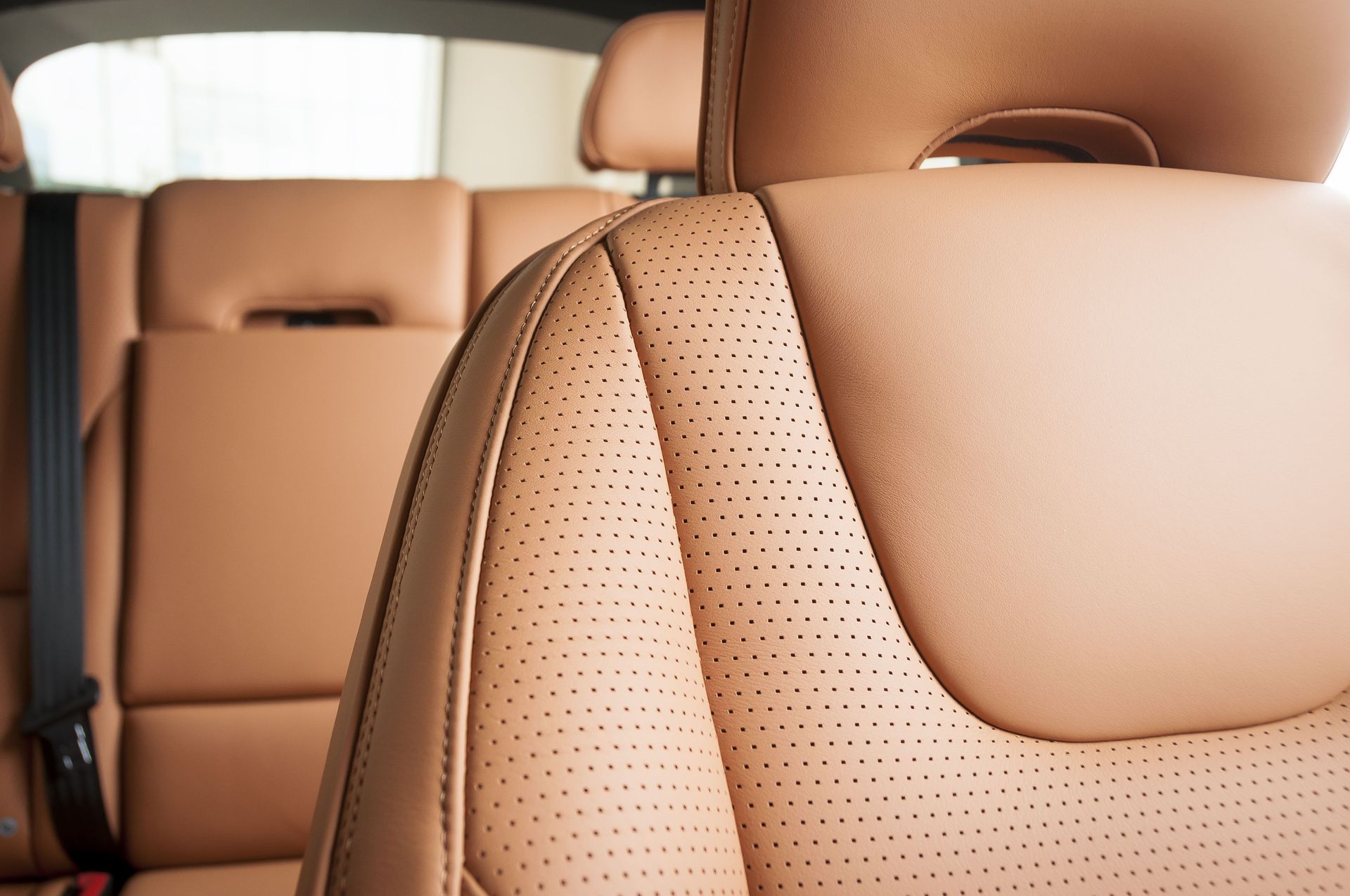
Leather seats are associated with a refined appearance and a comfortable driving experience. Their smooth finish can enhance a vehicle's interior, while different colors and textures allow drivers to choose a style that complements their preferences. According to Industry Research, 57% of U.S. consumers rank interior comfort and quality as a top factor when buying a car, highlighting why seating materials matter to many buyers.
Durability is another important consideration, particularly for vehicles that carry children, pets, or multiple passengers throughout the week. Compared with many fabric surfaces, leather is less likely to trap loose hair and certain spills can be easier to clean. With appropriate care, leather seats can maintain their appearance for years, making them appealing to drivers who want a lasting combination of comfort and visual appeal.
Leather interiors may also influence a vehicle's resale appeal. Prospective buyers often appreciate clean, well-maintained seating, and a premium interior can make a vehicle more attractive when it is time to sell or trade it in. However, resale value depends on several factors, including vehicle condition, mileage, model, and market demand.
Comparing Leather Materials and Alternatives
Different leather materials offer distinct advantages in appearance, durability, and price. Full-grain leather retains much of the hide's natural surface and can develop a distinctive appearance over time, although it typically costs more than other options. Top-grain leather undergoes additional processing to create a more uniform finish, making it a popular choice for vehicle interiors that balance comfort and practicality.
Corrected-grain leather receives treatments that create a consistent surface, while split leather generally comes from lower layers of the hide and may receive additional coatings. These options can provide different price points and finishes, but their durability depends on the specific material and manufacturing process. Understanding these distinctions helps buyers compare interior packages and choose an option that fits their expectations.
Vegan leather is another alternative for drivers who prefer materials that do not use animal hides. Often manufactured from polyurethane or other synthetic materials, it can provide a similar appearance while differing in texture, breathability, and long-term wear. Some newer alternatives incorporate plant-based or recycled materials, although their environmental benefits depend on how they are produced and disposed of.
Protecting Leather Seats Around Pets
Pets can bring dirt, loose hair, moisture, and scratches into a vehicle, making interior protection an important consideration for animal owners. Leather seats generally allow loose fur to be removed more easily than fabric upholstery, but the surface can still be scratched by claws or damaged by repeated friction. A properly fitted pet seat cover can provide a protective barrier while helping keep the passenger area comfortable.
Pet-related spills and accidents should be addressed promptly to limit staining and odors. Products specifically formulated for automotive leather can help remove residue without unnecessarily damaging the finish. Harsh chemicals and abrasive cleaning tools should be avoided because they may cause discoloration or deterioration.
Regular attention to the vehicle interior can help prevent pet hair and debris from accumulating around seams and crevices. Owners should also consider how frequently their pets travel and whether the seating arrangement provides adequate space and restraint. These factors can help determine which protective accessories are most appropriate for preserving leather seats.
Maintaining a Family-Friendly Interior
Families often need seating materials that can handle food spills, dirt, and frequent passenger activity. Leather can be easier to wipe clean than some fabric upholstery, especially when dealing with small spills that are addressed quickly. However, certain substances, including ink and strongly colored liquids, can still stain or damage the finish if they remain on the surface.
Protective accessories can help preserve seating in vehicles that regularly transport children. Kick mats may reduce scuffs from shoes, while compatible seat protectors can help limit everyday wear in frequently used areas. Any accessory used with a child safety seat must be approved for that purpose and must not interfere with proper installation or the restraint system's performance.
Comfort and safety should remain priorities when selecting an interior package for a family vehicle. Parents should check their vehicle and child-seat manufacturers' guidance before adding protective materials beneath a car seat. Routine inspections can also help identify cracking, loose upholstery, or other damage before it becomes more extensive.
Choosing Leather Seats for Daily Commuting
Daily commuting exposes vehicle interiors to repeated use, temperature changes, sunlight, and friction. The driver's seat typically experiences the greatest amount of contact, particularly around the seat cushion and outer side bolsters. Selecting a durable material and keeping the interior clean can help maintain a comfortable appearance despite regular use.
Sunlight and heat can contribute to fading, drying, and surface deterioration over time. Parking in shaded areas when possible and using an appropriate windshield sunshade can help reduce direct exposure. Drivers should also follow the vehicle manufacturer's recommendations for cleaning and conditioning to avoid using products that may damage the upholstery.
Seat covers can provide additional protection for commuters who frequently transport passengers, work equipment, or personal belongings. However, covers should fit correctly and remain compatible with any seat-mounted airbags or other safety features. Choosing accessories designed for the specific vehicle helps balance protection, comfort, and functionality.
Busy schedules can make interior maintenance difficult, but a consistent approach can prevent dirt and residue from building up. Periodic cleaning with suitable automotive products helps preserve the material's finish and supports a more pleasant driving environment. Seasonal attention is also useful because extreme heat, cold, and moisture can affect the condition of leather over time.
Considering Sustainability and Environmental Impact
The environmental impact of leather depends on several stages of production, including livestock farming, material processing, tanning, transportation, and disposal. Traditional leather production can require substantial water and chemical inputs, while its overall environmental footprint varies according to sourcing and manufacturing practices. Buyers interested in sustainability may wish to compare material certifications and the environmental information provided by manufacturers.
Alternative upholstery materials can offer different environmental trade-offs. Synthetic leather may reduce reliance on animal hides, but some options use fossil-fuel-based plastics and can create disposal challenges. Plant-based and recycled materials may offer other advantages, although their overall impact depends on durability, manufacturing methods, and the resources required to produce them.
Longevity is also an important part of evaluating an automotive interior. Materials that remain functional for many years may reduce the frequency of replacement, although durability varies between products and vehicle conditions. Comparing the expected lifespan, maintenance requirements, and sourcing practices of available materials can help consumers make informed decisions.
Finding the Right Interior for Your Vehicle
Choosing an automotive interior involves more than appearance alone. Drivers should consider passenger needs, commuting habits, climate, maintenance expectations, and the vehicle's overall cost. Leather seats may be particularly appealing to people who value a premium look and a surface that can be relatively straightforward to clean, while alternative materials may better suit other preferences or budgets.
It is also important to distinguish between genuine leather and synthetic upholstery when reviewing vehicle specifications. Manufacturers may use different materials across seating surfaces, and the terminology in a vehicle listing does not always describe the entire interior. Reviewing the specific materials, warranty coverage, and care recommendations can help prevent misunderstandings before making a purchase.
For help exploring automotive interior options and accessories, contact Auto Accessories Unlimited. Our team can help you consider products that suit your vehicle, driving habits, and personal preferences. Choose the right accessories to support comfort, protect your interior, and keep your vehicle looking its best for everyday journeys.