By Robert
November 15, 2026
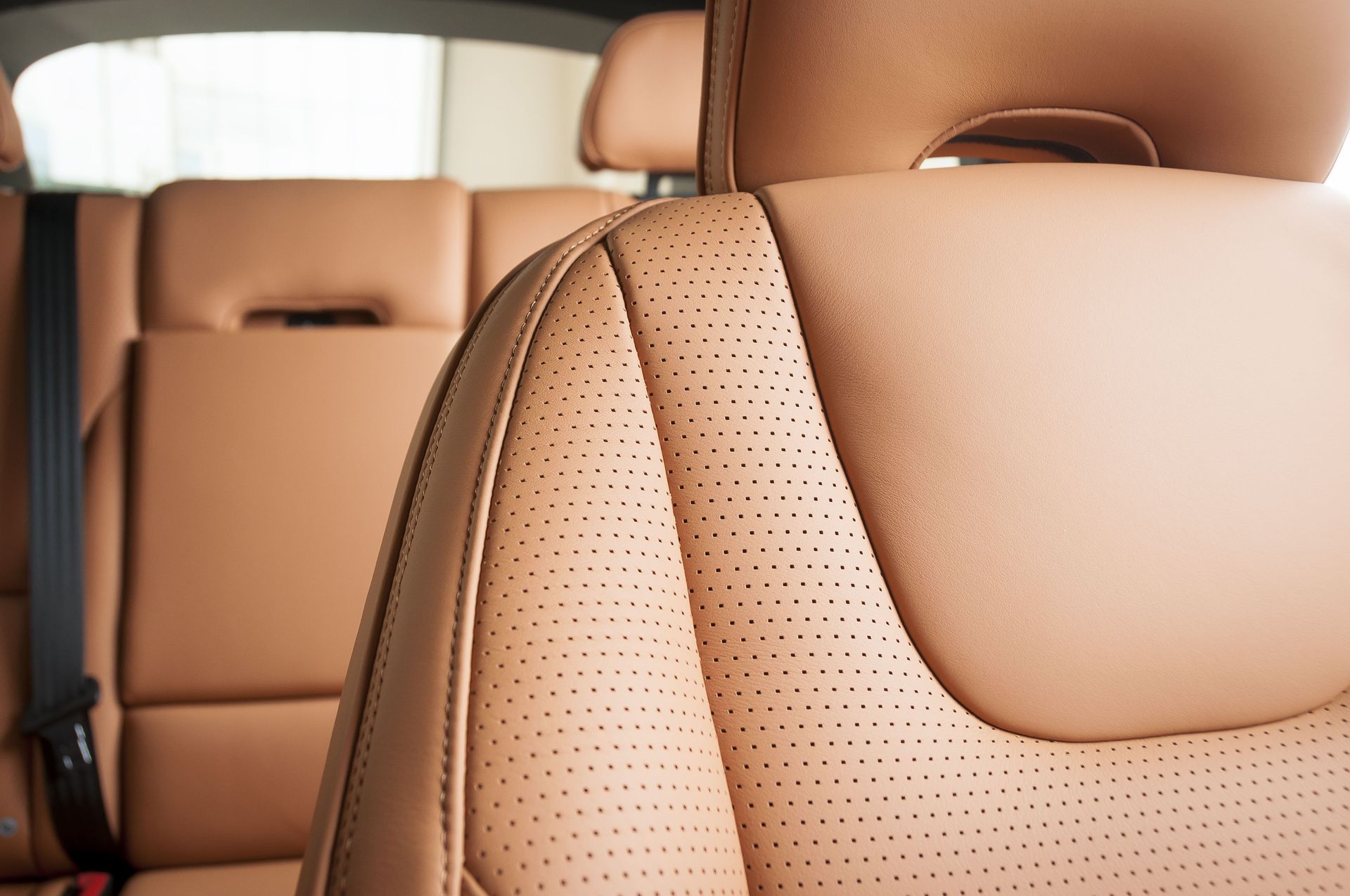
A vehicle’s interior plays an important role in its overall appearance, comfort, and long-term value. Leather upholstery is especially appealing because of its refined appearance, comfortable texture, and ability to complement different vehicle styles. However, regular driving exposes these surfaces to friction, sunlight, moisture, and everyday contaminants that can gradually affect their condition. Understanding how these factors influence upholstery can help vehicle owners make informed decisions about maintaining their interiors.
Preserving a leather interior involves more than keeping seats visually clean. Material quality, environmental exposure, passenger habits, and professional maintenance all influence how well upholstery retains its original appearance. With appropriate care and attention to potential wear, drivers can enjoy a comfortable, attractive cabin throughout years of regular use.
Understanding How Daily Use Affects Leather Upholstery
Everyday vehicle use creates gradual changes in upholstery that may not be immediately noticeable. Repeated contact with clothing, movement during entry and exit, and pressure from passengers can contribute to surface wear. Areas such as seat bolsters, armrests, and frequently used seating positions typically experience greater friction than less accessible surfaces.
Temperature fluctuations also influence upholstery condition. Leather naturally responds to changes in its surrounding environment, and excessive heat or prolonged dryness can affect its flexibility. Over time, repeated exposure to unfavorable conditions may contribute to stiffness, discoloration, or visible surface deterioration.
The growing availability of leather seating options makes understanding these concerns increasingly relevant. According to Industry Research, over 12 million vehicles were produced in the U.S., with 68% offering leather or leather-option interiors in at least one trim level. This widespread availability highlights the importance of recognizing how regular use affects automotive upholstery.
Protecting Leather Surfaces From Sunlight and Heat
Sunlight is among the environmental factors that can influence the appearance and longevity of automotive upholstery. Vehicles parked outdoors may experience considerable interior temperature increases, particularly when exposed to direct sunlight for extended periods. These conditions can place additional stress on leather surfaces and their protective finishes.
Ultraviolet exposure may gradually contribute to fading, especially in areas that receive consistent sunlight through windows. Darker upholstery can also absorb substantial heat, making seating surfaces uncomfortable during warmer weather. Although modern automotive leather often includes protective coatings, these finishes are not completely resistant to environmental deterioration.
A leather interior can benefit from thoughtful protection against excessive sunlight and temperature fluctuations. Covered parking, appropriate automotive window treatments, and professionally recommended protective products may help reduce exposure-related concerns. The suitability of these options depends on the vehicle, upholstery materials, and applicable regulations.
Preventing Premature Wear From Everyday Friction
Friction is an unavoidable part of regular vehicle use. Drivers repeatedly enter and exit their vehicles, shift positions while seated, and interact with surrounding surfaces. These movements create contact that can gradually affect the upholstery’s protective finish.
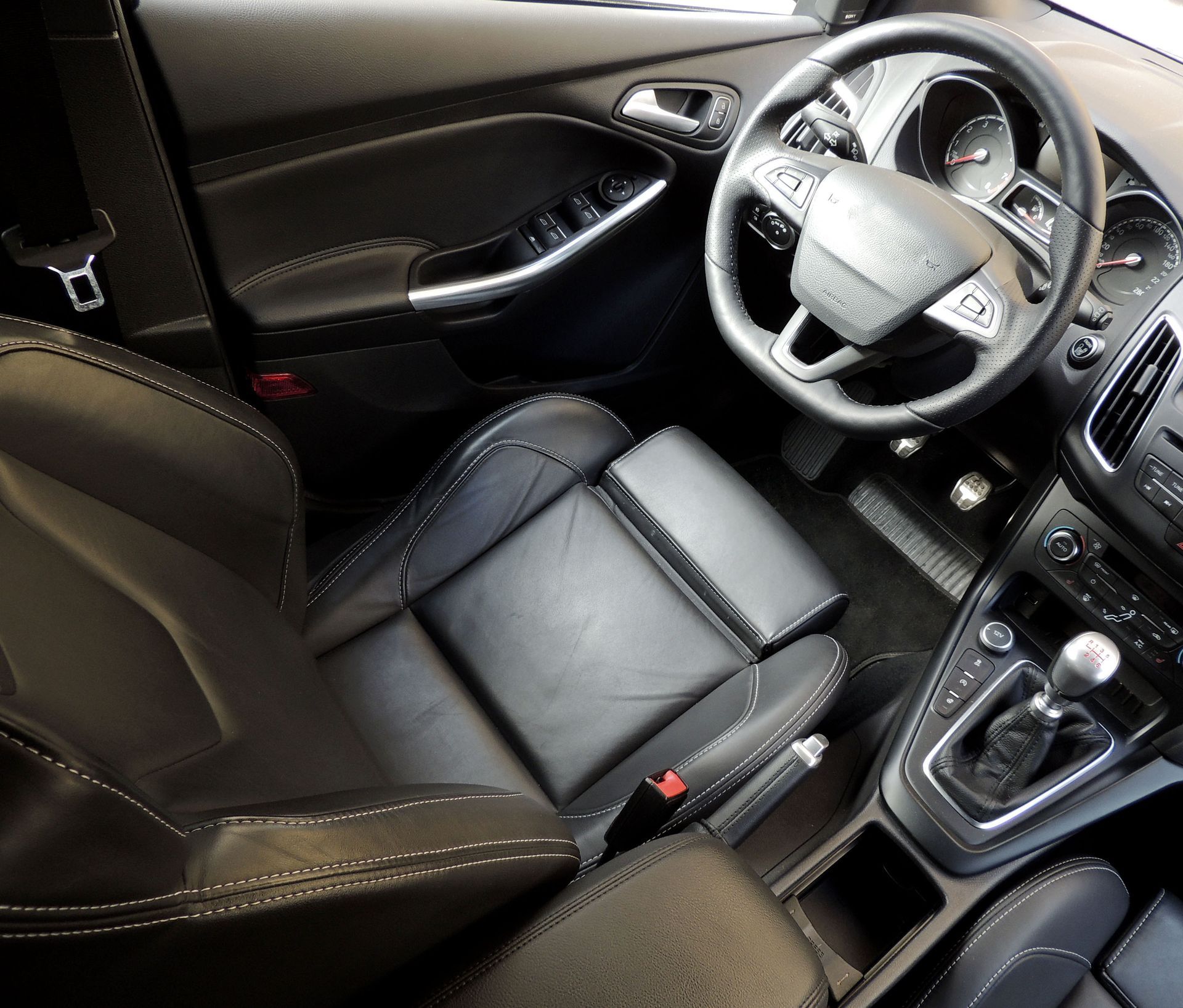
Seat bolsters are particularly susceptible because they frequently support passengers during entry and exit. Steering wheels, center consoles, and armrests may experience similar wear from repeated handling. Clothing materials, accessories, and objects carried by passengers can introduce additional friction or pressure.
Preserving a leather interior requires understanding which areas experience the greatest contact. Visible creasing does not necessarily indicate damage, since leather naturally develops changes in appearance with use. However, excessive abrasion, peeling finishes, or exposed underlying materials may suggest that professional attention is appropriate.
Managing Spills, Stains, and Interior Contaminants
Food, beverages, personal care products, and everyday debris can affect upholstery appearance. Even when spills appear minor, certain substances may leave residues that interact with protective finishes or contribute to discoloration.
Automotive leather differs from many household materials because its surface commonly includes specialized coatings. These finishes help provide resistance against ordinary contact and contaminants, but their effectiveness depends on their condition and compatibility with cleaning products.
Maintaining a leather interior also involves recognizing the risks associated with moisture and chemical exposure. Harsh cleaners, abrasive materials, and unsuitable conditioning products may compromise protective coatings or leave unwanted residues. Products formulated for other leather applications are not automatically appropriate for automotive seating.
Professional interior care services can assess staining and recommend treatments suited to the specific upholstery. This is especially important when dealing with dye transfer, persistent discoloration, or contaminants that have remained on a surface for an extended period.
Maintaining Leather Flexibility and Surface Appearance
Leather upholstery is valued for its distinctive combination of appearance, texture, and comfort. Maintaining these qualities depends partly on the condition of the material and its protective finish.
Modern automotive upholstery varies considerably in construction. Some seating surfaces use genuine leather with protective pigmentation, while others combine leather with synthetic materials. These differences influence how surfaces respond to cleaning products, environmental exposure, and maintenance treatments.
A leather interior may require different professional care depending on its age, construction, and existing condition. Treatments appropriate for unfinished leather may be unsuitable for coated automotive upholstery. Applying incompatible products can leave unwanted buildup, create uneven finishes, or affect the material’s appearance.
Professional specialists can identify relevant material characteristics and recommend suitable maintenance options. Their evaluations may also reveal whether visible changes originate from surface contamination, finish deterioration, or underlying material damage.
Recognizing Early Signs of Upholstery Deterioration
Changes in leather upholstery often develop gradually. Minor discoloration, surface roughness, unusual stiffness, and increased creasing may indicate that certain areas are experiencing additional stress.
Not every visible change requires repair. Natural creases and subtle texture variations can develop through ordinary use without compromising functionality. However, peeling coatings, persistent cracking, and exposed material beneath the finished surface deserve closer evaluation.
Owners of vehicles with a leather interior may benefit from periodic professional assessments, particularly when upholstery begins showing changes that differ from normal wear. Specialists can help determine whether a concern involves the leather itself, its protective coating, or another component of the seating surface.
Early recognition can provide more options for addressing deterioration before extensive damage develops. Depending on the condition, professional services may include specialized cleaning, finish restoration, or upholstery replacement.
The appropriate approach depends on the material and the extent of the damage. A professional assessment helps establish realistic expectations regarding appearance, durability, and potential restoration outcomes.
Considering Professional Care for Long-Term Preservation
Professional upholstery care offers advantages when vehicle owners want to preserve interior appearance without risking damage from unsuitable treatments. Automotive interior specialists understand how different materials respond to cleaning methods, protective products, and restoration procedures.
These services can be particularly valuable for vehicles exposed to frequent passenger traffic, demanding environmental conditions, or substantial daily driving. Professional attention may also help address existing discoloration and surface wear that ordinary maintenance cannot resolve.
For a leather interior, selecting appropriate services involves considering the upholstery’s construction, current condition, and intended use. Professional recommendations should account for manufacturer guidance and the compatibility of proposed treatments with existing finishes.
Some vehicles may benefit primarily from specialized maintenance, while others require more extensive upholstery services. When deterioration is significant, replacement materials may offer a practical way to improve appearance and comfort.
Understanding the available options allows vehicle owners to make decisions based on actual material conditions rather than relying on generalized maintenance recommendations.
Preserving Interior Quality Through Consistent Attention
The long-term appearance of automotive upholstery reflects the combined effects of material quality, environmental conditions, daily use, and appropriate maintenance. Although ordinary wear cannot be eliminated, understanding its causes helps vehicle owners make better decisions about interior preservation.
Protecting a leather interior means recognizing the importance of compatible materials, suitable professional care, and timely attention to developing concerns. Sunlight exposure, friction, contaminants, and changes in protective finishes can influence upholstery condition, making informed maintenance decisions especially valuable.
A well-maintained cabin contributes to passenger comfort and helps preserve the vehicle’s overall presentation. Professional guidance can support these goals by identifying suitable maintenance options and addressing upholstery concerns according to the material’s specific characteristics.
Exploring Professional Leather Upholstery Options
At Auto Accessories Unlimited, we understand how important interior appearance and comfort are to the driving experience. We offer automotive upholstery solutions designed to help customers improve their vehicles’ interiors. Whether you’re interested in updating worn seating surfaces or exploring options for a
leather interior, our team can help you understand the available choices. Contact us to discuss your vehicle’s upholstery needs and learn more about our services.