By Robert
October 14, 2026
Choosing the right tire is not just about size or appearance. The best option depends on how the vehicle is used, the weather it regularly encounters, how much time it spends on pavement, and whether it also travels on gravel, dirt, or rougher terrain. A daily commuter, a lifted pickup, and an SUV used for weekend trail driving can all benefit from different tread designs and performance priorities.
Auto Accessories Unlimited offers tires for a wide range of vehicles and driving styles in Norman, Oklahoma City, and surrounding areas. Its selection includes all-season, winter, off-road, and run-flat options, and the team helps drivers compare fitment, ride quality, traction, and long-term use before choosing a setup.
All-Season Designs Suit Many Everyday Drivers
An all-season tire is designed to provide balanced performance across a range of normal road conditions without requiring a seasonal changeover. For drivers who spend most of their time commuting, running errands, or traveling on paved roads, that versatility can make this category a practical starting point.
The National Highway Traffic Safety Administration notes that all-season designs can handle a variety of road conditions and have some mud and snow capability. They are intended to provide broad usefulness rather than specialize in one extreme environment.
That balance can work well for drivers who want predictable road manners, reasonable tread life, and year-round convenience. The trade-off is that an all-season design generally will not provide the same snow-and-ice capability as a dedicated winter option or the same rough-surface traction as an all-terrain model.
Winter Conditions Change What You Need From a Tire
Cold weather, snow, slush, and ice place different demands on a vehicle than dry pavement. Winter compounds and tread patterns are specifically engineered to maintain grip in low temperatures and on slick surfaces.
NHTSA states that winter tires are more effective than all-season models in deep snow. That distinction matters for drivers who regularly travel in severe winter conditions, even if an all-season setup performs adequately through much of the year.
Drivers in Oklahoma may not need a dedicated winter setup for every vehicle, but someone who routinely travels into areas with heavier snow or ice may have different needs from someone whose driving remains primarily on local paved roads. Seasonal travel patterns should be part of the buying decision rather than focusing only on conditions close to home.
Performance Options Prioritize Warm-Weather Road Handling
Drivers who value steering response, cornering, and warm-weather road performance may consider a summer or performance-oriented design. These products are generally built around dry and wet pavement rather than snow or ice.
NHTSA describes summer models as warm-weather equipment that is not designed for operation below freezing or on snow and ice. That makes them more specialized than a typical all-season setup.
For a sports car or performance-focused vehicle that sees limited winter use, that specialization may make sense. For a daily driver expected to handle a broader mix of conditions, the trade-off can be less practical. The right choice should match the environment the vehicle will actually encounter, not simply the conditions in which a particular design performs best.
All-Terrain Options Add Capability Beyond Pavement
All-terrain tires are intended for drivers who divide their time between paved roads and rougher surfaces. NHTSA describes this category as a compromise between on-road driving and off-road capability, making it especially relevant to trucks and four-wheel-drive vehicles.
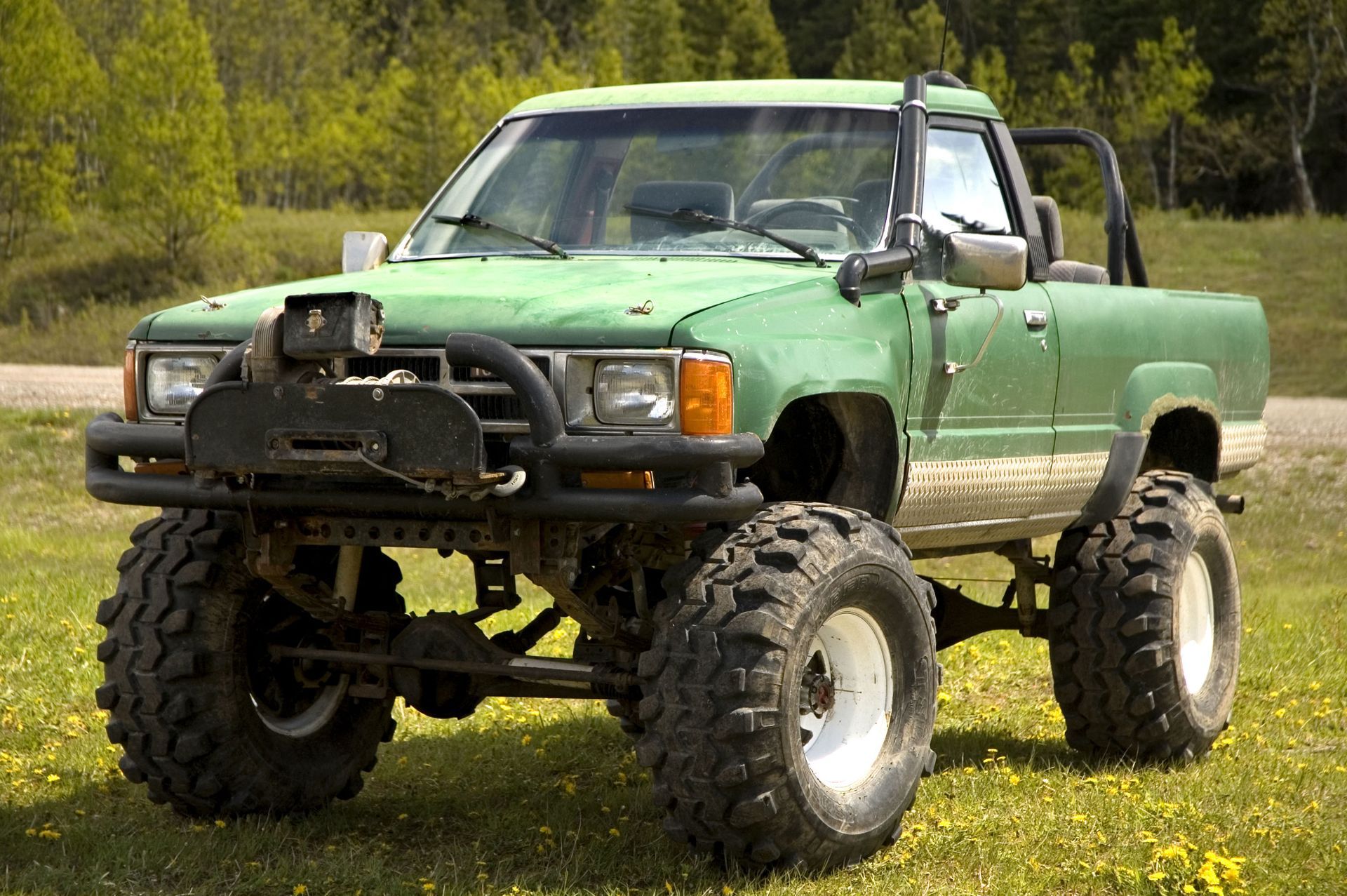
The tread is generally more aggressive than a standard highway pattern, which can improve traction on gravel, dirt, loose surfaces, and similar off-road conditions. That makes an all-terrain setup appealing for work trucks, recreational vehicles, hunting trips, camping, rural roads, and weekend trail use.
Auto Accessories Unlimited offers off-road options and works with drivers to match wheel-and-tire combinations to how the vehicle is used. That can be especially important when a truck or SUV also has a lift kit, modified suspension, or larger aftermarket wheels.
For someone who rarely leaves pavement, however, the extra off-road capability may provide little everyday benefit.
All-Terrain Capability Comes With On-Road Trade-Offs
A more aggressive tread can change how a vehicle feels on the highway. Depending on the specific model, an all-terrain setup may produce more road noise, feel firmer, or wear differently from a highway-focused design.
The key question is whether those trade-offs are worthwhile for the amount of off-road driving the vehicle actually does. A pickup that spends every weekend on gravel roads or trails has different priorities from one that mainly commutes on the interstate.
Appearance alone should not make the decision. An aggressive tread may complement a lifted truck visually, but the driver should also consider noise, comfort, wet-road behavior, tread life, and the percentage of normal driving that occurs on pavement. Choosing around real use usually produces a better result than selecting the most rugged option available simply because it looks appropriate.
Lift Kits and Larger Wheels Affect Fitment
Suspension modifications can change which wheel-and-tire combinations make sense. A lift kit may create room for a larger overall diameter, but clearance is only one part of proper fitment.
Wheel width, offset, load requirements, suspension geometry, steering clearance, brake clearance, and overall diameter can all affect whether a setup works correctly. Larger or heavier combinations can also alter ride characteristics and steering feel.
Auto Accessories Unlimited provides both suspension upgrades and wheel-and-tire services, allowing the team to consider those systems together. Its process includes reviewing vehicle specifications, selecting compatible components, professional installation, balancing, torque calibration, and a final quality check.
That coordinated approach is particularly useful for modified trucks and SUVs, where changing one component can affect how the rest of the vehicle behaves.
Tread Life Depends on More Than the Category
Seasonal and all-terrain designs influence performance, but service life also depends on mileage, driving habits, inflation pressure, alignment, rotation, road conditions, vehicle weight, and physical damage.
According to Car Talk, most tires designed for mainstream cars and crossovers can last 50,000 miles or more unless they are damaged. That figure is a useful reference point, but it should not be treated as a guaranteed replacement schedule for every vehicle or product.
NHTSA recommends checking tread, inflation pressure, and overall condition regularly. A tire should be replaced when tread reaches 2/32 of an inch, while cuts, cracks, bulges, punctures, or irregular wear are also reasons to have it evaluated.
Rotation, balancing, and proper alignment can help reduce irregular wear. Auto Accessories Unlimited includes professional balancing and alignment-related checks as part of its wheel-and-tire service, helping drivers protect the investment after installation.
Load Requirements and Daily Use Matter Too
A product may look appropriate and still be wrong for the vehicle if its size, load capability, or specifications do not match the application. Trucks used for hauling, towing, work equipment, or heavier accessories may need different considerations than a similar vehicle used only for commuting.
The vehicle manufacturer's recommended specifications should be the starting point. From there, drivers can compare tread design, seasonal capability, terrain performance, comfort, and appearance.
Auto Accessories Unlimited works with major wheel and tire brands and can special order out-of-stock sizes or styles. That gives drivers flexibility when a specific modification, vehicle, or use case requires something beyond common inventory.
Choose Based on How and Where You Actually Drive
There is no single best option for every vehicle. All-season designs can suit many everyday drivers. Dedicated winter equipment can provide additional capability in snow and ice. Performance models emphasize warm-weather handling, while all-terrain choices are designed for drivers who need both paved-road manners and off-road traction.
Before buying tires, consider where the vehicle spends most of its time, what seasonal conditions it encounters, whether it carries or tows significant weight, and whether suspension or wheel modifications affect fitment. Those questions are more useful than choosing solely by tread appearance or price.
If you need tires in Norman, Oklahoma City, or a surrounding Oklahoma community, contact Auto Accessories Unlimited. The local, family- and woman-owned business works with major brands, offers professional wheel and tire installation, and can special order out-of-stock products. Warranties are available, along with military and first responder discounts. Its experienced team can help match your vehicle with a setup that fits your daily driving, seasonal conditions, and off-road plans.